Stone Ambassador Essential Range: colours, finishes and how to choose (SEQ kitchens)
Stone Ambassador Essential Range: colours, finishes and how to choose (SEQ kitchens)
Choosing the Stone Ambassador Essential Range is about making a quick, confident decision. Pick a colour that suits your cabinets, looks right in real daylight, and is easy for your builder or cabinetmaker to specify.
We supply, cut and install stone benchtops across Brisbane, the Gold Coast and South East Queensland. This guide covers colours, finishes, thickness, edges, slab variation, and what we need to quote accurately.
For the broader brand page, start here: Stone Ambassador range.
At a glance
- Best for: practical engineered stone colours that are easy to specify
- Colour style: mostly whites, neutrals and greys
- Finishes: polished or matte/honed
- Thickness: 20mm, or a 40mm look (usually a mitred build-up)
- Common uses: benchtops, islands, waterfall ends, stone splashbacks
What the Essential Range is (and who it suits)
The Stone Ambassador Essential Range is a curated set of popular quartz (engineered stone) colours for everyday Australian kitchens.
Engineered stone is made from quartz with resins and pigments. Availability and specs can change, so we’ll confirm what’s suitable for your job based on current supplier and manufacturer guidance.
This range suits you if you want
- a shorter list of proven colours (not hundreds of options)
- easy matching to common finishes (white cabinets, warm timber, black handles)
- straightforward choices on finish, thickness and edges
What it isn’t
It’s mainly core, widely used colours. If you want niche tones, heavy veining, or a very specific “marble look”, the wider Stone Ambassador range (or other brands) may be a better fit.
SEQ availability + current regulations
We’re SEQ-based, so we quote based on what’s available in South East Queensland.
Engineered stone availability and specifications in Australia can also be affected by current regulations and supplier/manufacturer guidance. We’ll confirm suitability at quoting stage.
How to choose a colour (what changes the final look)
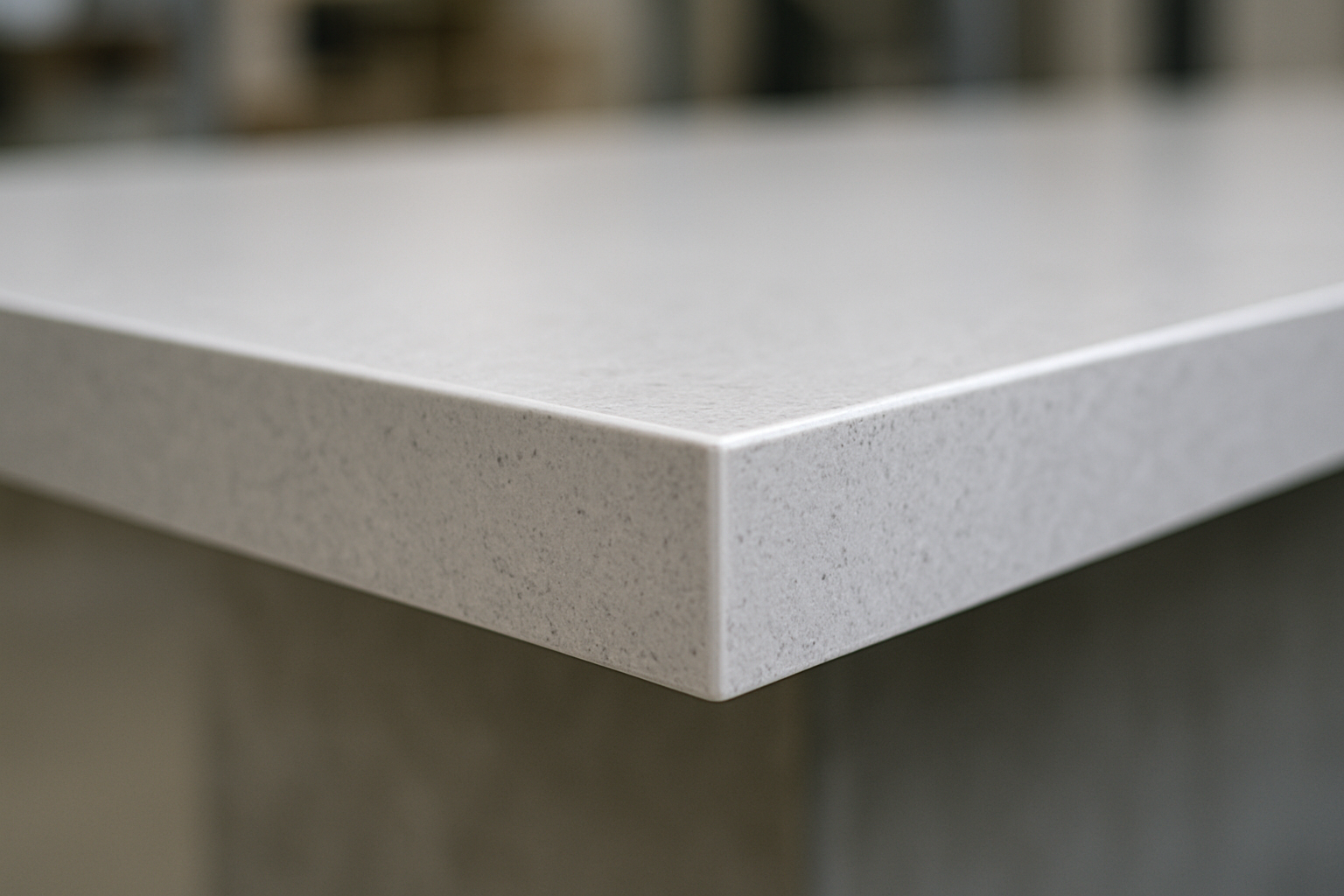
Edge thickness changes the look more than most people expect.
A showroom sample can look different once installed. The biggest influences are lighting, cabinet colour, splashback choice, and how much movement the slab has.
What we check with you
- Natural light direction: north-facing rooms read warmer; shaded rooms read cooler
- Cabinet colour: crisp whites sharpen the stone; warm whites soften it
- Splashback finish: gloss reflects light; matte reduces contrast
- Flooring tone: warm timber can make whites read creamier
- Hardware and tapware: black increases contrast; brushed nickel softens it
- High-use zones: sink run, cook zone and island seating show marks first
Why SEQ light makes a bigger difference
Many SEQ kitchens are open-plan with big windows and sliders. You’ll see the benchtop from different angles and at different times of day.
- Strong daylight: whites can look brighter (sometimes cooler)
- Late-day raking light: can highlight fingerprints and water spots (especially on matte and darker colours)
- Coast vs inland: coastal grit can show sooner; inland homes often notice dust and cooking splatter
If you can, view a larger sample or a full slab. Better again: check the sample next to your cabinet door in your kitchen.
Essential Range colour families (white, neutral, grey)
Most Essential Range options sit in three groups:
- White: brightens smaller kitchens and suits white or warm-white cabinets
- Neutral: flexible tones for timber, beige floors and warmer hardware
- Grey: adds contrast without going charcoal
Your best choice usually comes down to:
- undertone: warm vs cool
- movement: quiet vs veined
- finish: polished vs matte/honed
Common SEQ styles these suit
- Hamptons/coastal: crisp or warm whites, simple movement, shaker cabinets
- Modern: clean whites and soft greys, flat-panel cabinets, black hardware
- Timber + white: warm-leaning whites or neutrals that don’t fight timber grain
Popular Essential Range colours in SEQ: Blanco Bliss and Ottoman Grey
If you’re comparing colours online, these two are searched a lot in SEQ. Use them as a starting point, then confirm in your lighting.
Blanco Bliss (Stone Ambassador)
Best for: bright, clean kitchens where you want the space to feel open.
Undertone (warm vs cool)
- Usually cool to neutral.
- In very warm interiors, it can make warm cabinetry look warmer by comparison.
Movement (veining/pattern)
- Generally low movement.
- Patterning is subtle rather than bold.
Best cabinet pairings
- Crisp whites for a clean, sharp look
- Warm whites for softer contrast (test your white)
- Light timber (oak/ash) to add warmth
- Black accents for clear contrast
Finish recommendation
- Polished: maximum brightness and a cleaner read in strong daylight
- Matte/honed: softer look with less reflection
Typical uses
- Island benches (keeps the island looking light)
- Waterfall ends (looks neat with a clean mitre)
- Stone splashbacks (for a continuous look, subject to heat/clearance rules)
Where it can be less forgiving
- Coastal or high-traffic areas where sandy grit and crumbs show more on very light tops.
- A quick wipe with a damp microfibre cloth usually fixes it.
Ottoman Grey (Stone Ambassador)
Best for: a balanced, mid-tone look that adds depth without feeling heavy.
Undertone (warm vs cool)
- Usually neutral to slightly cool.
- In north-facing SEQ light it can look warmer (more “greige”). In shaded rooms it can lean cooler.
Movement (veining/pattern)
- Typically soft movement, not heavy veining.
- Adds interest without dominating the cabinetry.
Best cabinet pairings
- Warm timber (contrast without looking icy)
- White cabinets (adds definition)
- Mid-tone neutrals (taupe/greige cabinetry)
- Matte black or brushed nickel tapware depending on the style
Finish recommendation
- Polished: helps the grey read cleaner, especially in low light
- Matte/honed: reduces glare, but can show hand oils where people lean
Typical uses
- Island benches (feature without going charcoal)
- Waterfall ends (shadow lines look intentional)
- Stone splashbacks (works well in minimal palettes)
Where it can be less forgiving
If your cabinetry is a very warm white, test a sample in your kitchen. Some warm whites can look more yellow next to certain greys.
Slab variation and veining (what to expect)
Even with the same colour name, slabs can vary between batches. This matters most for movement and vein direction.
What’s normal
- Samples are a guide: small pieces don’t show full-slab variation
- Batch variation happens: slight tone and movement differences can occur
- Vein direction matters: especially on islands, waterfalls and full-height splashbacks
Best practice for feature areas
- View full slabs where possible (or large-format samples).
- Confirm vein direction before cutting.
- Ask about bookmatching if you want a mirrored look (not always available or suitable).
How approval usually works
- We confirm availability and slab/batch allocation where the supplier allows.
- If slab viewing is available, you approve the overall look (tone and movement).
- We then template/measure and plan joins to suit the layout.
If you’re doing waterfall ends, slab layout is often what makes the job look properly finished.
Polished vs matte/honed in SEQ homes
Finish matters as much as colour in bright SEQ kitchens.
Glare and reflection
- Polished: more reflection, more highlights near glass and glossy surfaces
- Matte/honed: softer look with less glare
Fingerprints and “lean marks”
- Polished: often shows fewer oil shadow patches, but can show streaks if cleaned poorly
- Matte/honed: can show fingerprints and hand oils more easily, especially on greys
Water spotting near the sink
- Polished: spots can flash in raking light, but wipe off easily
- Matte/honed: repeated drying can create dull patches unless you dry down
North-facing light and undertones
North-facing SEQ kitchens often read warmer. That can:
- make whites look a little creamier
- make greys look more neutral
- make undertones more obvious than they were in a showroom
If you’re unsure, tell us your cabinet finish, sink colour, and how much natural light hits the bench. We’ll help narrow it down.
Edge profiles (arris, pencil round, mitred)
Edge choice affects style, comfort, and how forgiving the bench is day to day.
Arris (eased) edge
- Look: crisp and modern
- Best for: contemporary kitchens and flat-panel cabinetry
- Practical: easy to wipe; less chipping than a sharp corner
Pencil round
- Look: softer and more classic
- Best for: family homes, shaker/Hamptons styles
- Practical: comfortable on seating edges and forgiving for bumps
Mitred edge (often for a 40mm look)
- Look: thicker, more architectural
- Best for: feature islands and waterfall ends
- Practical: more detailed fabrication; keep the join line clean near seating areas
If you want the most forgiving daily option, a pencil round or a soft arris is usually the safest pick.
20mm vs 40mm look (mitred build-up)
This choice is easiest once you picture how visible your bench is from the living area.
20mm
- Look: clean, modern, lighter visual line
- Cost: usually lower
- Joins: standard joins based on slab size and access
- Durability: strong for everyday use when made and installed correctly
- Best for: most kitchen runs and simpler designs
40mm look (mitred build-up)
- Look: thicker, more “furniture-like”, especially on islands
- Cost: usually higher (more labour and material use)
- Joins: includes a mitre join on the built-up edge
- Durability: robust when done well, but more dependent on workmanship
- Best for: feature islands, Hamptons looks, and designs where the stone should stand out
Waterfall end join notes
- Waterfalls usually need joins at corners and/or where the panel meets the benchtop.
- With a 40mm look, the mitred detail becomes more noticeable.
- We place joins where they’re least visible and aim to keep vein direction consistent.
A practical SEQ rule: if the island is always in view and used for entertaining, 40mm can look more intentional. If you want a quieter, simpler look, 20mm is often better.
Where the Essential Range works best
These are the most common applications we quote and install.
Kitchen benchtops
- Joins may be needed depending on run length and access.
- Sink and cooktop cut-outs affect layout and fabrication.
- Any exposed end needs an edge decision.
Island benches (practical notes)
- Plan overhang support early.
- The seating side is where fingerprints and scuffs show first, especially on matte finishes.
- Oversized islands may need joins. We’ll help minimise and place them neatly.
Waterfall ends
- Vein direction and panel layout matter.
- 20mm vs 40mm is more obvious on waterfalls.
- Joins should look planned, not random.
Stone splashbacks (can you use it?)
Yes. Stone splashbacks are popular for a clean, continuous look.
- Cleaning: easy wipe-down; matte can show oils more in strong light
- Joins: long runs may need joins (we keep them tidy)
- Heat/clearance: confirm requirements with current supplier/manufacturer guidance, especially behind high-heat appliances
If you’re choosing between tile, glass or stone, we can price options once we see your plan.
Outdoor kitchens (important caveat)
Outdoor kitchens are common in SEQ, but not every engineered stone is recommended outside.
Confirm suitability for UV, heat and weather exposure with the supplier/manufacturer before choosing a product for outdoor use. Even under cover, plan for grit, sunscreen, and rain splash.
Care and maintenance (busy-kitchen basics)
Engineered stone is a good fit for busy homes. Simple habits keep it looking consistent, especially in bright kitchens.
Daily cleaning
- Wipe with a soft microfibre cloth and a pH-neutral, non-abrasive cleaner.
- If you use a soapy solution, rinse and dry (especially near the sink).
Stains
Quartz is stain resistant, not stain proof. Wipe spills early, especially:
- oils
- wine
- coffee and tea
- spices (like turmeric)
Heat
- Use trivets for hot pots and trays.
- Don’t place hot cookware directly on the surface.
Cutting and abrasion
- Use a chopping board.
- Avoid abrasive pads and powders.
Avoid
- harsh acids or alkalis
- paint stripper or oven cleaner contact
- leaving strong cleaners sitting on the surface
What affects price and lead time
Colour matters, but layout usually matters more.
Pricing and timing are driven by:
- total benchtop metres and island size
- cut-outs (sink, cooktop, tap holes, pop-up power)
- edges (arris vs pencil round vs mitred)
- splashbacks (full height, upstand, or none)
- waterfall panels (size, mitres and joins)
- access (stairs, tight halls, parking, crane needs)
Lead times and availability
Availability can change quickly, especially for popular whites and greys.
Lead time depends on:
- whether the colour is in stock locally
- slab allocation and transport
- templating/measure timing and fabrication workload
If you’re on a tight schedule, send your plan early so we can confirm what’s realistic.
For a quick start: Get a Quote.
Comparing Stone Ambassador with other brands (simple method)
People often compare Stone Ambassador with:
- Caesarstone
- Essastone
- Smartstone
- other distributors (WK Stone, Lithostone, YDL Stone)
The method we use
- Match tone and movement to your cabinets and floor
- Choose finish based on your light and cleaning habits
- Confirm availability for your timeline
- Quote the installed job (stone + fabrication + install), not just the slab
Browse other brands here: Stone Range, or jump to Caesarstone®, Smartstone or Essastone®.
How to choose (selection checklist)
Bring these to the quote stage (or send them through):
- a daylight photo of your kitchen
- cabinet door sample or colour name (warm vs cool white)
- flooring colour/sample
- splashback plan (tile/glass/stone, gloss vs matte)
- preferred finish (polished or matte/honed)
- lifestyle (wipe-as-you-go vs want the most forgiving option)
- must-haves (island, waterfalls, stone splashback, drainer grooves)
If you’re near the coast or have kids and pets, focus on the high-traffic zones. That’s where marks show first.
What to send us for an accurate quote
To move from research to pricing, send:
- cabinet plan (PDF is best) or photos + rough measurements
- sink type (top-mount or undermount) and model if known
- cooktop size and any other cut-outs (tap holes, filtered water, pop-up power)
- splashback plan (none / upstand / full-height stone) + height if known
- thickness preference (20mm or 40mm look)
- edge profile (arris, pencil round, mitred)
- your address/suburb for install planning
Even early-stage photos help. A quick call can save time.
SEQ Stone: local fabrication and installation
We supply, cut and install stone benchtops across Brisbane, the Gold Coast and South East Queensland. If you want an installed price (not just slab cost), we can quote from your plan and help you choose finish, edge and thickness.
See real installs and get help choosing
For ideas on joins, waterfall ends, edge details and splashback heights, see our Gallery.
Ready for pricing in SEQ?
Send your plan (or photos and measurements) and the colour you’re considering (Blanco Bliss, Ottoman Grey, or another Essential Range option).
Get started here: Get a Quote
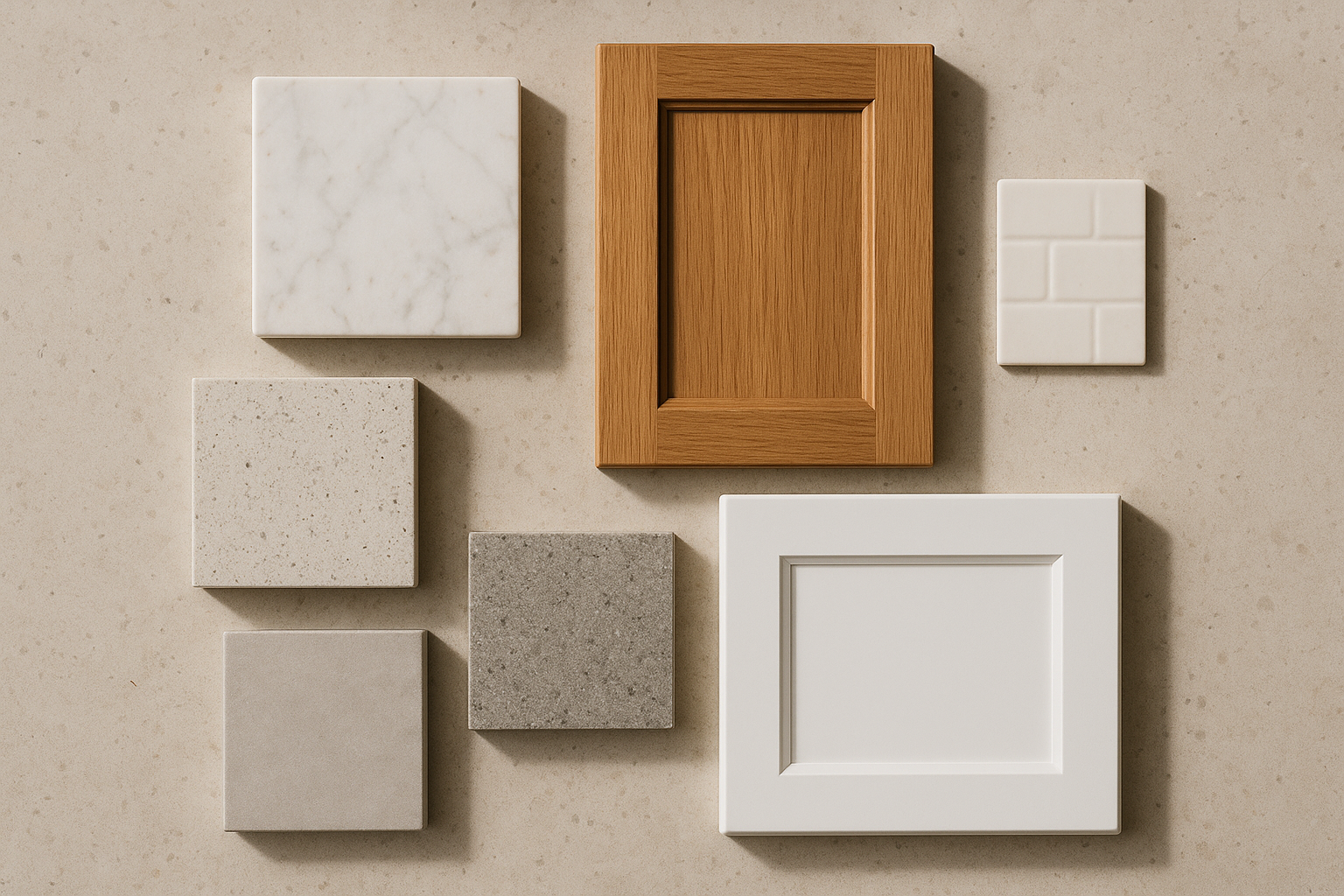
View samples together, in the lighting you live with.
FAQs
Stone Ambassador Adelaide?
We’re based in South East Queensland (Brisbane/Gold Coast). If you’re in Adelaide, availability will depend on local distributors and fabricators. We can still help you compare colours and finishes, but confirm supply locally.
Is Stone Ambassador available Australia-wide?
Availability can vary by state and by supplier. If you’ve found a colour online, we’ll confirm whether it’s available in SEQ (and the current spec) when we quote.
What are typical lead times in SEQ?
Lead times depend on slab availability, templating/measure timing, and fabrication workload. If you have a handover date, send your plan early so we can confirm a realistic timeframe.
Can I use Stone Ambassador Essential Range for a splashback?
Yes. Stone splashbacks are common. Joins may be needed on long runs, and clearances/heat-zone requirements should be confirmed against current supplier/manufacturer guidance during quoting.
Is it stain resistant?
Most quartz surfaces are stain resistant, not stain proof. Quick wipe-downs (especially for oils, wine, coffee/tea and spices) help keep the finish consistent.
Do colours vary from slab to slab?
Yes. Variation between slabs and batches is normal. Movement is also more obvious on a full slab than a small sample. For islands, waterfalls and splashbacks, ask about full slab viewing or batch approval where possible.
Do you install Stone Ambassador in South East Queensland?
Yes. SEQ Stone supplies, cuts and installs kitchen benchtops across Brisbane, the Gold Coast and South East Queensland.
What do you need to quote my benchtop?
A cabinet plan (best), or photos and rough measurements, plus sink/cooktop specs, edge profile, thickness (20mm vs 40mm look), and your splashback plan (including height if known).